

Introduction
Quest chains in Escape from Tarkov are series of linked tasks you must complete to advance trader loyalty levels, unlock new gear, and gain access to better missions. Each chain can involve multiple steps—finding rare items, defeating specific bosses, or delivering goods between maps. For many players, these chains become time sinks: rare item drops can take dozens of runs, and boss fights can end in failure if you’re not familiar with their attack patterns.
A carry service offers a way to speed up this process by pairing you with an experienced runner who knows where to find quest items, how to clear boss encounters safely, and which extraction points save the most time. Instead of learning each step through trial and error, you focus on the results: your quest journal updates, your trader level rises, and you walk away with the needed gear. In this guide, you will learn how to plan a multi-quest carry run, what information to share when booking, and how to work with your runner in real time. By the end, you will understand how a carry service can cut the hours you spend on chains down to a single, efficient session.
Why Quest Chains Matter
Completing quest chains is key to unlocking higher-tier traders and the best gear in Tarkov. Each trader offers items and weapons only after you reach certain loyalty levels, and those levels often require multiple quest chains. For example, progressing past level two with a medical trader can open up powerful healing items, while the ammunition trader at level three grants access to high-penetration rounds. Beyond gear, chain rewards often include unique barter items, large experience gains, and new maps or extraction options.
Missing a step in a chain can block future quests, so accuracy is critical. At the same time, some tasks require rare item drops with low spawn rates—hunting for a Kiev White Knight medkit or an Aureate bar might take dozens of solo raids. Boss fights add another hurdle; each boss has a distinct play style and strong defenses that chew through standard loadouts. Taken together, these elements make chain completion both rewarding and time consuming. A carry run simplifies the path: one session can clear multiple chain steps, deliver rare items, and handle boss kills with minimal retries, leaving you free to focus on gameplay rather than grind.
Benefits of a Carry Service for Quest Chains
Using a Tarkov carry service for quest chains lets you bundle several linked tasks into one focused session. Instead of joining a raid, chasing a single drop, extracting, and repeating, you send your full chain list—step names, required item counts, and target bosses—to the runner ahead of time. The runner then designs a route that hits each map and spawn location in the most efficient order, grouping steps by map or enemy type to cut travel time. You follow in their squad or wait safely at spawn, watching as they clear scavs, loot containers, and take down bosses. At each extraction, quest progress logs automatically update in your journal, and items go straight into your stash.
This method reduces the risk of failed runs, since the runner specializes in handling high-level threats and knows backup exit routes if a fight goes sideways. It also offers a learning opportunity: you see firsthand how to approach rare spawns and handle boss mechanics, knowledge you can apply in future solo attempts. Overall, you save hours on chain completion while still building your map knowledge and combat skills.
Booking a Quest Chain Carry
To book a carry run for multiple quest steps, start by sending the operator a single, clear message that lists all the chain tasks you need. Include the exact quest names, the number of items required, the target bosses, and the maps where each step takes place. For example, you might write: “Factory: Kill Reshala and collect his dogtag. Customs: Find 3 LEDX containers. Interchange: Secure 5 graphics cards.” Next, choose a time slot that allows enough time to cover each map. Multi-map chains often take longer than single-quest runs, so pick a window of at least 90 to 120 minutes.
After the operator confirms availability, they will share the meeting details: spawn point for the first map, the planned extraction exit, and the communication channel—either in‑game chat or a voice server link. Before the session, follow any gear instructions they provide. You may need to bring minimal equipment if the runner supplies gear, or pack specific items like medkits and grenades for boss fights. Finally, log into the game and join the lobby at least five minutes before your slot. This prep ensures you avoid delays from game updates or login issues and lets the session start right on time.
Key booking steps:
- List all chain tasks with quest names, item counts, and map names.
- Select ample time: plan for 90–120 minutes for multi-map chains.
- Confirm meeting details: spawn point, extraction exit, chat or voice link.
- Prepare loadout: follow runner’s gear notes or pack essentials.
- Log in early: join the lobby five minutes before your slot to check settings.
Planning Multi‑Quest Runs
Effective chain runs depend on grouping tasks by map and enemy type. Once you know which steps belong on each map, the operator will design a route that minimizes backtracking. For example, if two Customs quests require killing scavs near the storage area and finding items in the gas station, the runner hits both spots in one loop before extracting. Similarly, boss-collection steps can be paired with nearby loot tasks to use the same travel path.
When you plan the run, you and the operator should agree on the order of maps and any required extraction points between them. Estimate total travel and combat time for each map, then add a buffer of 10–15 minutes for unforeseen delays like heavy player traffic or missed spawns. If your chain spans three or more maps, consider breaking the run into two segments with a quick break in the lobby to adjust gear or reload. This prevents fatigue and reduces mistakes late in the session. By planning the loop, setting clear waypoints, and building in buffer time, you ensure the session covers every chain step without rushing or missing objectives.
Planning tips:
- Group by map: List all tasks per map and tackle them in one visit.
- Link spawn points: Plot a loop that hits each objective in sequence.
- Estimate time: Calculate expected run time per map plus a buffer.
- Plan breaks: For chains on 3+ maps, split the session in two to reset.
- Confirm extraction: Agree on exit points and backups if delays occur.
Live Workflow for Chains
During the live run, the session follows a structured sequence to handle each chain step efficiently. The table below shows the main stages, runner actions, and your role as the client for a multi-map chain carry:
| Stage | Runner Action | Your Role |
|---|---|---|
| First Spawn & Squad | Confirms spawn, sends squad invite, marks waypoints | Accept invite or move to agreed spot |
| Map 1 Objectives | Clears scavs, bosses, and picks up items for quests | Follow runner or observe quietly |
| Extract & Transition | Moves to extraction, ends map 1, loads next map | Exit and load into next map promptly |
| Map 2 Objectives | Repeats clear, pickup, and marks new waypoints | Follow or stay safe per plan |
| Additional Maps | Continues for each map in the chain | Stay in sync and report status |
| Final Extraction | Ends the last map raid at agreed exit | Extract with runner or independently |
At each stage, communication remains active. The runner confirms when each objective is complete—boss downed, items collected, quests updated—so you track chain progress in real time. If a spawn fails or a boss isn’t present, the runner switches to backup objectives or extraction points without losing time. You respond with quick acknowledgments like “done,” “moving,” or “extract” to keep the pace. After the final extraction, the operator verifies that all chain steps registered correctly in your quest journal and that any collected items are in your stash. This structured workflow ensures that multi-map chains finish in one seamless session, saving hours compared to solo attempts.
Post‑Run Debrief and Next Steps
Once you finish the final extraction, the runner verifies that your quest journal shows all completed steps and that items are in your stash. Many operators then offer a brief debrief—five to ten minutes of discussion or a short text summary. In this debrief, you can ask questions about route choices, boss strategies, or gear loadouts used during the run. Some runners share marked screenshots showing waypoints for each map, which you can save for future solo practice. If any quest step failed to register or an item is missing, report it immediately within the operator’s support window—usually 24 hours. Reliable services will correct errors or offer a free retry for missed objectives. After debrief, you should review your notes or screenshots and plan a solo run following the same routes to reinforce learning. This practice session cements your map knowledge and fight tactics, making future chain attempts faster even without a runner. By taking advantage of post-run support and applying what you learned, you turn a single carry session into the foundation for your independent success.
Tips for Smooth Chain Runs
To get the best results from a multi-quest carry, follow these simple tips:
- Clear Objective List: Send all quest steps, maps, and item counts in one concise message.
- Time Buffer: Book at least 90–120 minutes, plus five to ten extra minutes for lobby prep.
- Voice Communication: Use voice chat for instant updates—short cues like “map two” or “boss down” keep everyone in sync.
- Light Gear: Pack minimal armor and weapons if the runner provides combat gear; carry only essential medkits and grenades.
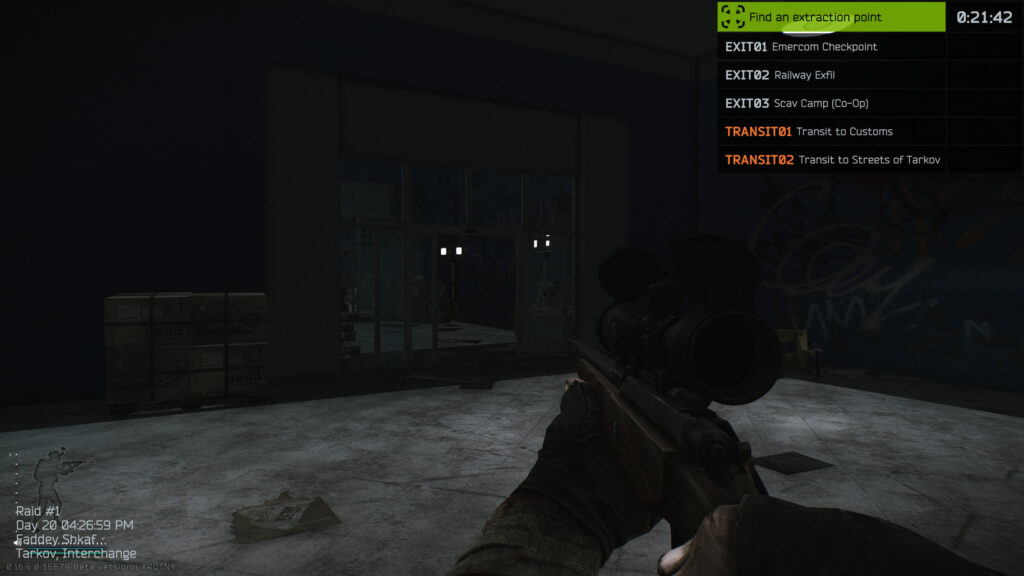
- Early Login: Join the lobby five minutes before your slot to handle updates and avoid late starts.
- Backup Exits: Confirm secondary exit points for each map to handle missing spawns or heavy traffic.
- Note Taking: Use a notepad or screenshot tool to record waypoints, spawn points, and combat tips.
- Follow Prompts: Respond to runner calls (“move,” “cover,” “extract”) with quick, one-word replies to keep the pace high.
These practices minimize errors, reduce downtime, and keep the run focused on completing your quest chain in one go. Consistency in preparation and communication makes each session smoother than the last.
Conclusion
Using a Tarkov carry service for quest chains cuts the hours you’d spend farming rare items and clearing bosses into a single, efficient session. By defining all chain tasks up front, planning routes that group objectives by map, and confirming extraction points and backups, you ensure a smooth flow from one raid to the next. During the run, active communication and quick responses keep objectives on track, while a post-run debrief and shared route notes turn the session into both progress and training.
Following the tips—preparing your list, booking enough time, and choosing lightweight gear—helps you avoid common pitfalls and maximize time savings. After your carry session, solo practice of the learned routes cements your skills and reduces the need for future carries. With clear planning and the right operator, you can complete multi-step quest chains in a fraction of the solo grind, level up your traders faster, and gain gear access that fuels your next raids.