


The vast, scarred surface of X-Isle tells the story of our failure, a testament to the collapse that ushered in the ARC war. But the true narrative, the detailed account of the Old World, lies beneath. The remnants of civilian and corporate infrastructure, particularly the deep, hardened bunkers, serve as vital sanctuaries not just for Raiders seeking respite, but for the lore of our civilization. This discipline is known as Narrative Cartography, the study of how physical locations preserve the history necessary for our fight.
The underground bunkers are more than just caches of salvage; they are archives, providing the cultural and technological context for our desperate struggle.
The Bunker as a Temporal Compression Chamber
The primary significance of these subterranean structures is their function as a temporal compression chamber.
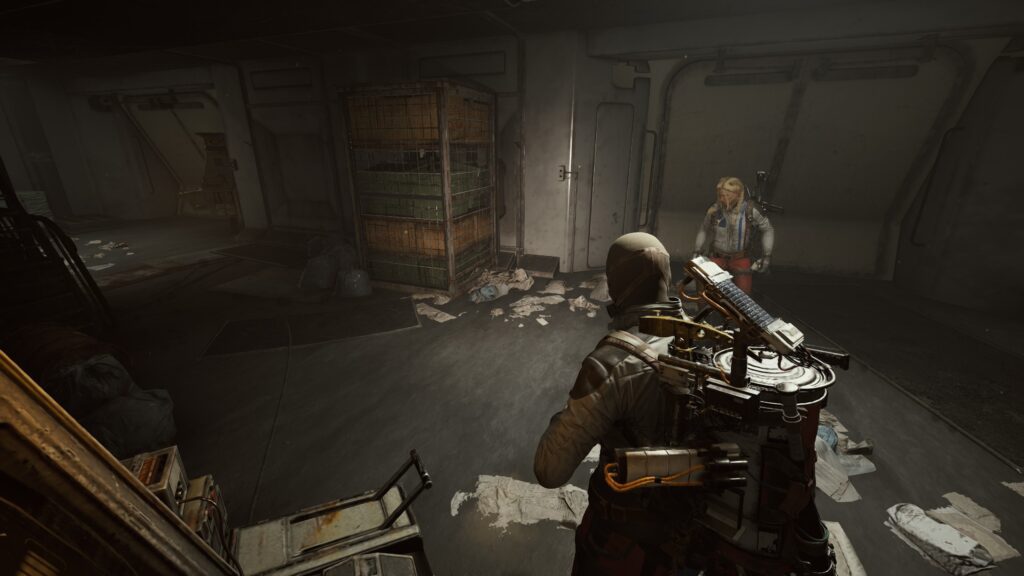
Due to their hardened blast doors and localized power systems, bunkers often retained systems, data logs, and physical artifacts in near-perfect condition, insulated from both the initial catastrophic collapse and the persistent environmental degradation of the surface. For a technological archaeologist, discovering an intact bunker is equivalent to finding a complete, uncorrupted chapter of history.
Sanctuaries of Civilian and Corporate Lore
Unlike surface ruins, which primarily yield combat-related salvage, bunkers often reveal the full scope of Old World life and the pre-collapse political landscape. Civilian fallout shelters contain personal logs, communication transcripts, and media, providing the human context of the collapse.
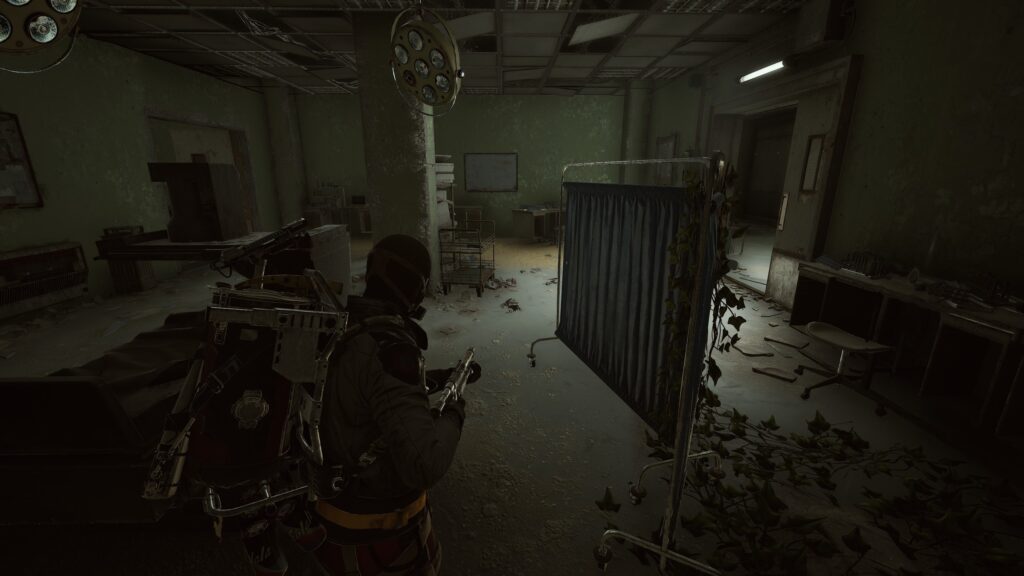
Conversely, the GRAIL corporation bunkers—the deepest and most shielded—are invaluable for understanding the technological genesis of ARC. Their secure data banks hold uncorrupted design schematics and corporate emails, offering direct insight into the flaws and hubris that led to the machine uprising.
The Architectural Echoes of Paranoia
The design of the bunkers themselves carries a distinct narrative weight. Their excessive reinforcement, redundant life support systems, and multi-layered security protocols speak volumes about the paranoia and isolationist tendencies of the Old World elite. These structures were built not for collective survival, but for privileged retreat. Analyzing the specific security hardware left behind—from biometric scanners to advanced plasma turrets (often repurposed for Raider defense)—allows us to trace the final, desperate measures taken by those who believed they could buy their way out of the impending disaster.
The Cryptographic Challenge
Accessing the deeper truths within these bunkers often requires a team effort in cryptographic archaeology. Many key logs and access panels remain locked by complex, pre-collapse security protocols.
Raiders who specialize in decryption are highly valued, as they literally unlock historical data. The challenge is twofold: defeating the physical barriers and then solving the digital puzzles left behind by a civilization obsessed with keeping its secrets buried.
Conclusion: The Necessity of Remembering
We fight ARC to survive, but we scavenge the bunkers to understand why. The lore contained within these subterranean vaults provides vital context for our struggle, illuminating not only the origins of our technological arsenal but the moral failings of the society that birthed ARC.
By preserving these lost histories, we ensure that the sacrifices made are understood, and that the mistakes of the past are never repeated in the new world we hope to build.