


Introduction
When Escape from Tarkov first launched, its AI enemies, or “bots,” were relatively simple — predictable, easily avoided, and not much of a challenge. However, as the game has evolved, so too has its artificial intelligence. Today, Tarkov’s AI is one of the most formidable and unpredictable aspects of the game, providing players with a constantly evolving challenge. In this article, we’ll look at how Tarkov’s AI has developed, the different types of AI enemies you’ll encounter, and how to adapt your strategies to survive against these deadly foes.
The Early Days: Simple AI with Predictable Behavior
In the early versions of Tarkov, the AI was fairly rudimentary. NPC Scavs were the primary type of AI enemy, and their behavior was somewhat simplistic. They would often patrol fixed routes, engage players on sight, and have limited tactical awareness. While they could still pose a threat in large numbers, players who understood their predictable behavior could often avoid or easily dispatch them.
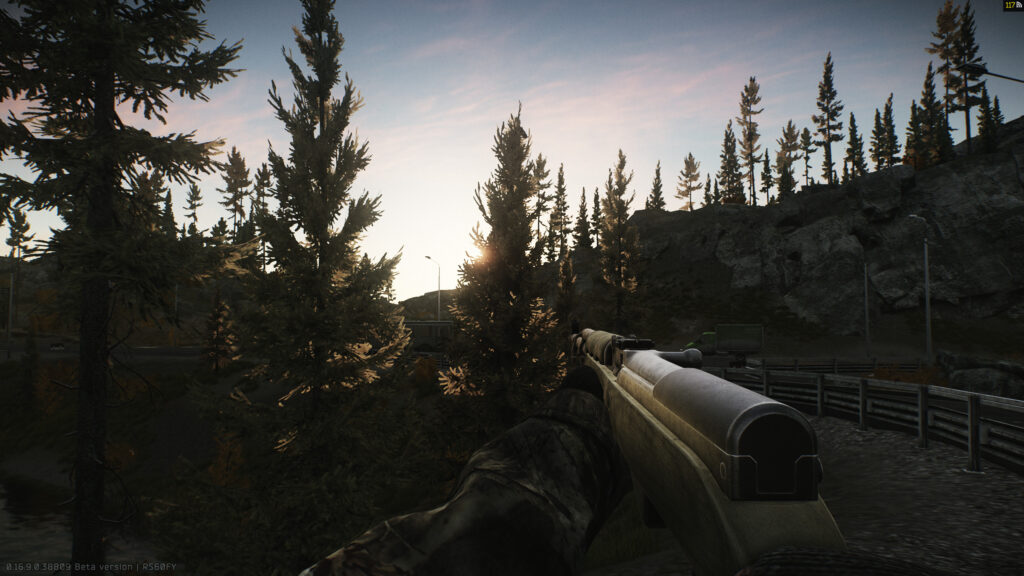
Early AI Scavs were also limited in terms of their accuracy and reaction times. They would often miss shots or hesitate during engagements, giving players an opportunity to retaliate or escape. While this made Tarkov accessible to new players, it didn’t present much of a challenge for seasoned veterans who had become accustomed to the AI’s limitations.
The Evolution of Scav AI: Learning to Fight
As Tarkov progressed through updates, the AI Scavs began to evolve. The introduction of more complex behaviors, such as taking cover, coordinating attacks, and seeking out loot, made them significantly more dangerous. Scavs started to act more like real players, using cover to their advantage and attempting to flank players or ambush them from behind.
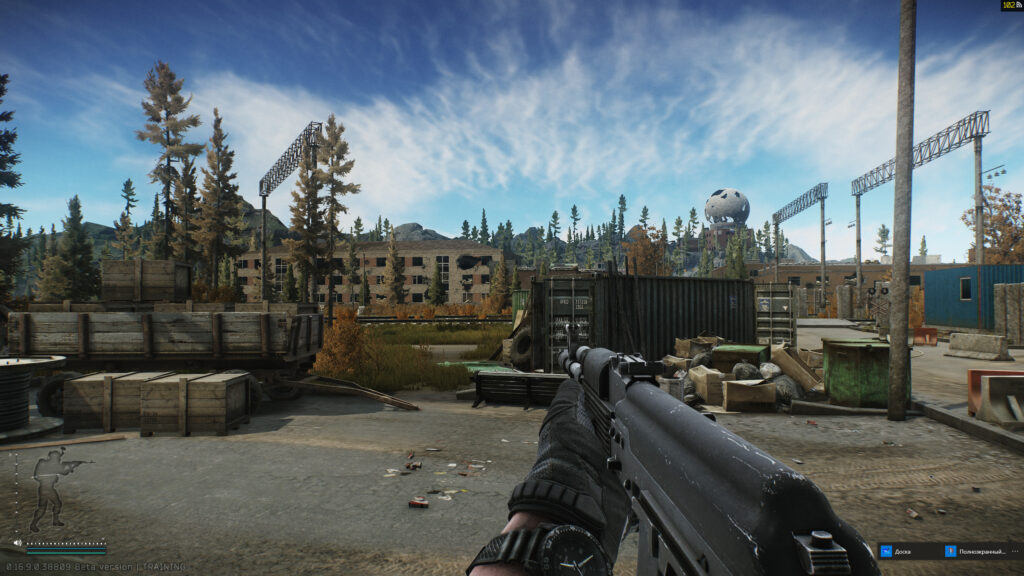
One of the most significant changes was the improvement in AI accuracy. Scavs became more precise in their shots, requiring players to think more strategically when engaging them. Additionally, their behavior became less predictable, with some Scavs adopting defensive strategies and using grenades or flashbangs to flush players out of cover.
Boss AI: Tactical Genius in Tarkov’s Endgame
One of the most impressive examples of Tarkov’s AI evolution is the introduction of AI bosses. These bosses, such as Tagilla and Sanitar, are not only more powerful than regular Scavs, but they also exhibit complex and unpredictable behavior. Bosses are often surrounded by their own group of heavily armed AI, making them a significant challenge for players who venture into high-level areas.
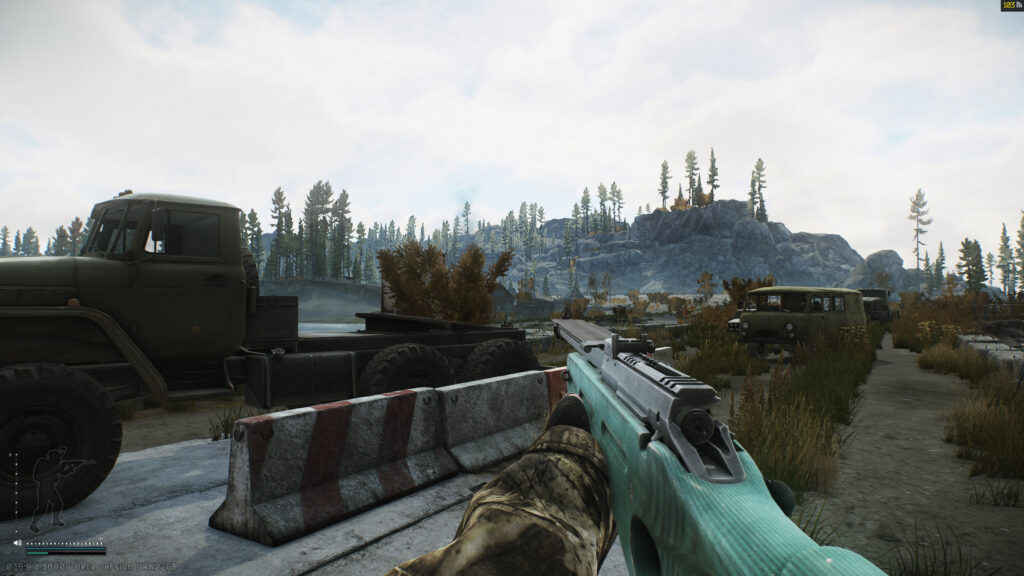
These bosses and their entourages are far from simple targets. They use tactics such as suppressive fire, flanking, and retreating to heal or regroup, making them far more dangerous than the standard AI enemies. Engaging these bosses requires careful planning, teamwork, and precise execution.
AI Scavs vs. PMCs: The Rising Challenge
The AI in Tarkov isn’t just for PvE encounters — it also plays a critical role in the PvP environment. As players engage with other PMCs, the presence of AI Scavs becomes more significant. Scavs are not only present to challenge players but also to influence the flow of combat. They can distract PMCs, create confusion, and even disrupt high-stakes firefights.
This evolving AI behavior means that players must constantly be aware of their surroundings, as AI Scavs can appear unexpectedly during combat, turning the tide in favor of an ambush. In later updates, AI Scavs have even been known to work together with PMCs, creating tense and dynamic situations that force players to think on their feet.
The Future of AI in Tarkov
As Tarkov continues to evolve, it’s clear that the AI will keep getting more sophisticated. Future updates may introduce even more intelligent AI, with behaviors that mimic real players even more closely. We could see AI that uses stealth, lays traps, or even attempts to ambush players in ways that make them feel like a real threat rather than a scripted enemy.

Additionally, as Tarkov continues to expand its content and maps, the AI will need to adapt to new environments and combat scenarios. Expect to see more variety in AI behavior, with different factions using distinct tactics and strategies to keep players on their toes.
Conclusion
Tarkov’s AI has come a long way from its early days as simple bots to its current state as deadly, intelligent foes. As the game continues to evolve, so too will the AI, creating new challenges and forcing players to constantly adapt their strategies. Whether you’re facing a lone Scav or an AI boss with a full entourage, the AI in Tarkov is always evolving, keeping players engaged and on edge. Mastering the art of combating these AI enemies is just as crucial as mastering PvP in Tarkov, making the game’s AI a core aspect of the overall experience.